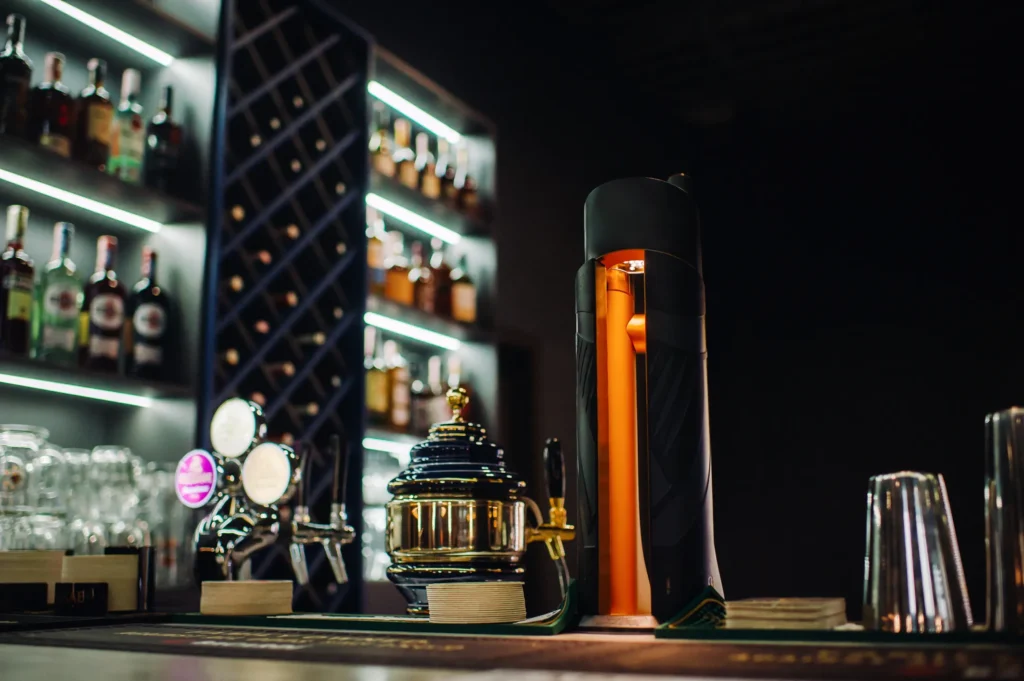
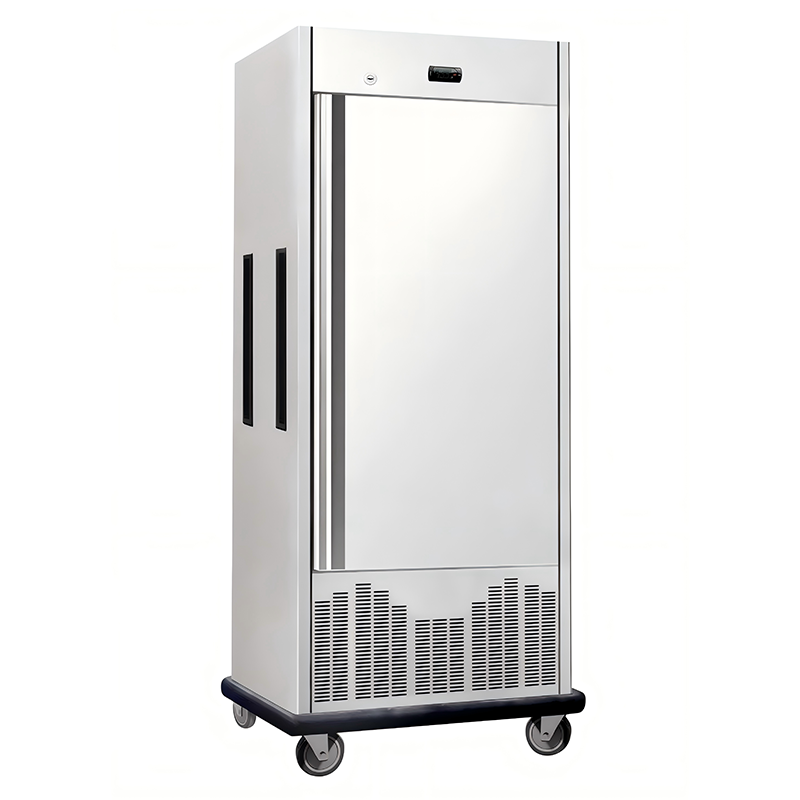
A back bar refrigerator is a specialized cooling unit designed for use behind bars or in hospitality settings. Unlike standard refrigerators, these units are compact and tailored for easy access to beverages and ingredients that bartenders use frequently.
They help keep drinks chilled and organized while maximizing space efficiency in busy environments.
With various door types and configurations available, back bar refrigerators combine practicality and style to support smooth bar operations.
7 Types of Back Bar Refrigerators
Back bar fridges come in seven main types based on their design and placement: single-door, double-door, glass-door, solid-door, pass-through, undercounter, and sliding door systems.
The number of doors reflects the fridge’s storage size and setup. Double-door fridges offer more space or better organization.
Choosing between glass and solid doors depends on whether you prefer easy access and visibility or stronger insulation.
Most back bar fridges fit under counters, saving room, especially with sliding doors. Pass-through models mounted on walls work well in busy settings for quick access.
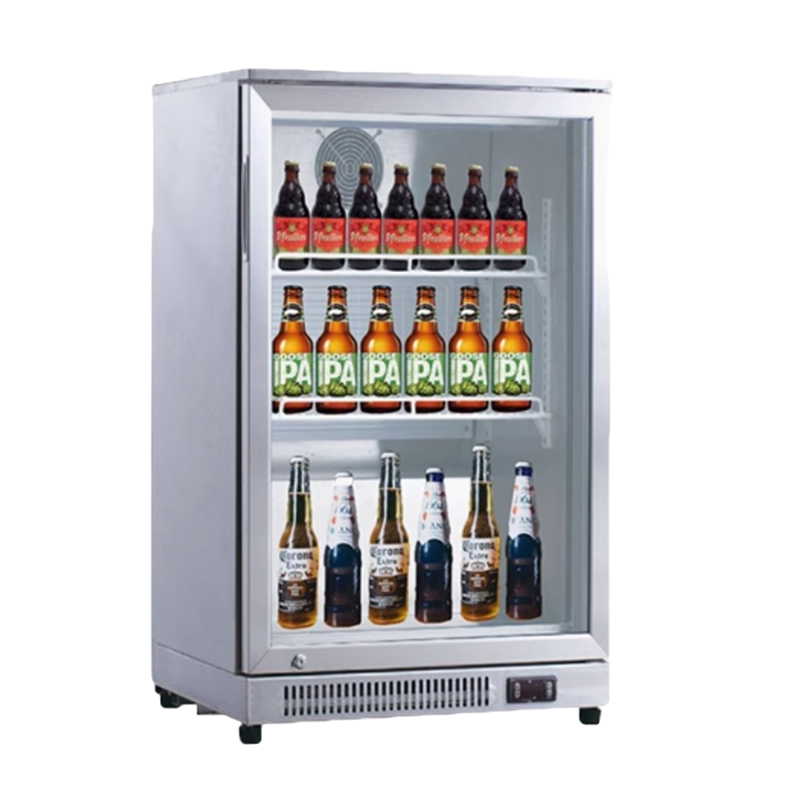
These fridges have one door and a single compartment, suited for small operations or low storage needs. They are ideal for keeping key cocktail ingredients or popular drinks within quick reach.
This air-cooled 1-door glass-door back bar fridge features stainless steel construction and a transparent glass door. It efficiently cools and displays various bottled drinks (like craft beer, IPA) — ideal for bars, restaurants to showcase and store beverages attractively.
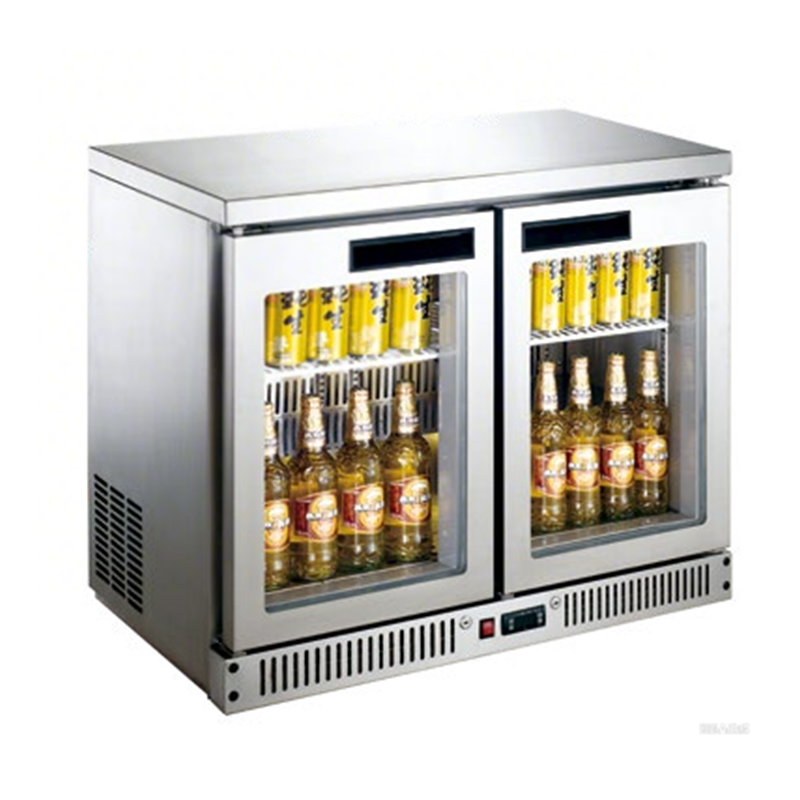
With two doors and either shared or separate compartments, these fridges provide more storage and better organization. Separate compartments help prevent cross-contamination and keep items orderly.
This air-cooled 2-door glass-door back bar fridge features stainless steel construction and transparent doors. It efficiently cools and displays drinks (cans, bottles) while providing a flat top for bar operations — ideal for bars, restaurants to store and showcase beverages.
Featuring transparent doors, these units allow staff to see inside without opening the fridge, reducing temperature changes. Glass doors also look more attractive, especially in wall-mounted models visible to customers.
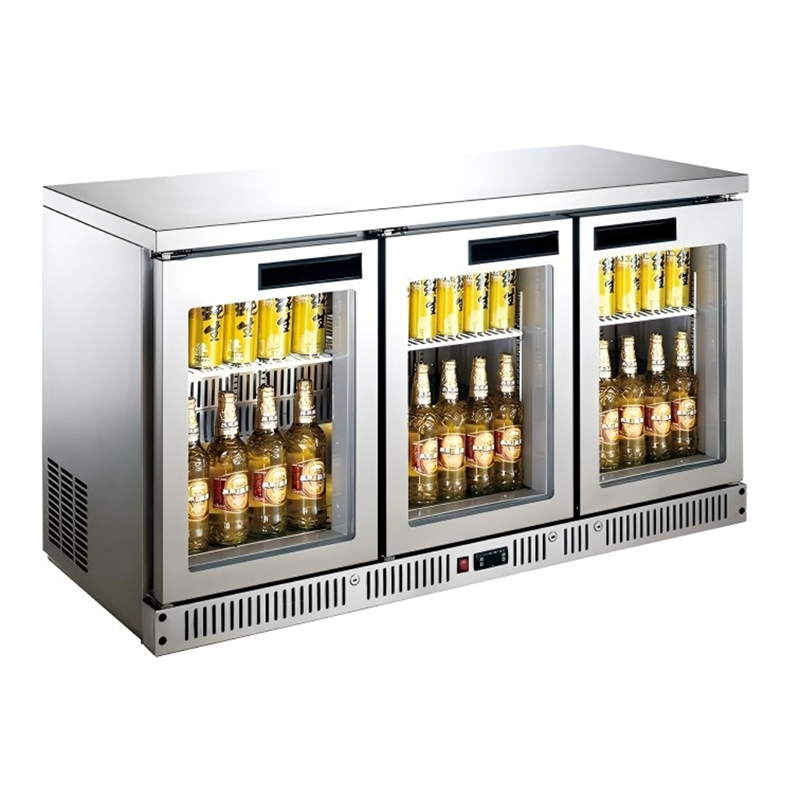
This air-cooled 3-door glass-door back bar fridge has stainless steel construction and transparent doors. It cools and displays drinks (cans, bottles) efficiently, with a flat top for bar use — ideal for bars, restaurants to store/showcase beverages.
4.Solid-Door Back Bar Fridges
Doors made from the same material as the fridge walls offer better insulation and steady temperatures. These units are usually cheaper upfront and use less energy than glass-door versions, though less visually appealing.
5.Pass-Through Designs
Designed with openings on both sides, these fridges enable easy product transfer between areas, like from the kitchen to the bar, without needing extra staff. This also helps stock the fridge without disrupting service space.
6.Undercounter Back Bar Fridges
Set beneath counter surfaces, these fridges save space and keep contents out of customers’ view while still being easy for bartenders to access. This is the most typical setup for back bar fridges.
7.Sliding Door Systems
Ideal for tight spaces, sliding doors don’t need the clearance that swing doors require. However, sliding doors may not insulate as well and often close less tightly than solid swing doors.
What are The Key Features to Look for in Back Bar Refrigerator?
When choosing a back bar refrigerator, consider these 11 important features to ensure efficient operation and long-term value: temperature control, energy efficiency, durability, construction, reliability, storage capacity, size, shelving and organization, aesthetics, door configurations, lighting, condensation management, and brand reputation.
Temperature control is vital for keeping your products fresh. Digital thermostats help maintain stable and accurate temperatures in the fridge.
Energy efficiency can reduce your utility costs and environmental impact. Look for ENERGY STAR certification or A+ ratings, and choose units with eco-friendly refrigerants.
Durability and build quality matter since back bar fridges are used constantly. Stainless steel is a popular material for its strength and resistance to corrosion. Choosing a trusted brand with good reviews and support ensures reliability.
The storage capacity depends on your needs and available space. Typical heights range from 34” to 36”, but widths and depths vary. Measure your space and think about what you need to store before buying. Shelf arrangement also affects storage efficiency.
Size should fit both your storage needs and the space behind your bar. Common widths are from 24” to 36”, 48” to 60”, and depths between 26” and 40”. Brands like Perlick and Continental offer custom sizes if standard dimensions don’t work.
Shelving can be wired or solid and should be adjustable to fit your products. Proper shelf spacing allows good air circulation, which is important for even cooling.
Aesthetics matter if the fridge is visible to customers. Some brands provide customization options like logos or brand colors, while simpler finishes can still enhance your business’s look.
Door types vary, including glass, solid, swinging, and sliding. Glass doors showcase contents, while solid doors insulate better. Swinging doors seal tightly, but sliding doors save space.
Lighting should be LED for energy efficiency and low heat output. Good interior lighting helps staff find items quickly and improves product display.
Condensation control is important to avoid frost and moisture issues. Features like automatic defrost, insulated doors, and quality seals help keep the fridge dry and clean.
Finally, research brands and models. True Refrigeration is known for its long warranties. Perlick offers premium bar fridges, and Atosa is a budget-friendly option. Choose a brand that fits your business needs and budget.
4 Benefits of Back Bar Refrigerator for Bars
Back bar refrigerators offer four key advantages for bars: saving space, boosting efficiency, enhancing product display, and cutting costs. These compact units help streamline operations while presenting your bar attractively and reducing expenses.
Space Optimization
Back bar fridges make use of otherwise unused space behind the bar. Keeping popular items within easy reach lowers unnecessary trips, improving how your staff moves and uses the available area.
Enhanced Efficiency
By providing quick access to essentials in tight spaces, back bar fridges speed up service. Pass-through models are especially useful in busy bars, allowing easy restocking without interrupting workflow.
Improved Presentation
Glass doors and pass-through designs let you showcase beverages directly to customers. This setup allows easy access and highlights your bar’s offerings effectively.
Cost Savings
These fridges reduce expenses by lowering staffing needs—as customers can serve themselves—cutting energy use with certified models, and protecting inventory from spoilage, all leading to better cost control.
How to Choose the Right Back Bar Refrigerator for Your Bar
To pick the right back bar fridge, follow these four steps: assess your needs, think about where it will go, check the features of options, and find the right mix of style and function.
Assess Your Needs
Start by figuring out the size and capacity your bar requires. Consider how big your space is, what types of drinks you’ll store, and how many customers you serve. Small bars might only need a single-door fridge, while busy places with varied drinks may need larger or multiple units designed for different storage needs.
Consider Placement
Measure the exact space where the fridge will fit, including ventilation clearance. Undercounter models suit tight spots, while pass-through or wall-mounted designs work well for unique layouts or fast service. Countertop units also work well for product display.
Evaluate Features
Look for features that improve energy efficiency and ease of use. Good insulation with an R-value around 25 helps keep temperatures steady. Advanced cooling technology is important to maintain drinks at the right temperature. Adjustable shelves and sliding doors add flexibility for storing bottles and cans of different sizes.
Balance Style vs. Functionality
Choose a fridge that matches your bar’s look but also performs well. Glass doors are great for showing off drinks, while solid doors offer better insulation and a clean look. Lighting should highlight products without being too bright or distracting, matching your bar’s vibe. Balancing these factors boosts customer appeal, brand image, and operational flow.
Commercial Applications for Back Bar Refrigerator
Back bar refrigerators are widely used in bars, nightclubs, restaurants, hotels, sports venues, and event spaces to boost efficiency and speed up service.
Bars and Nightclubs:These fridges are vital in bars and lounges for quick access to chilled drinks and cocktail ingredients. Their sleek look and glass doors help staff display products and stay organized, even during busy times.
Restaurants:In restaurants, back bar fridges store drinks like bottled water and soft drinks. Their compact, undercounter design saves space while keeping beverages easily reachable for faster service. They can also serve as merchandisers in buffet setups.
Hotels:Hotels place back bar fridges in lobbies, bars, and guest lounges to offer guests cold beverages. Their stylish design and adjustable storage make them fit well in both casual and upscale areas.
Sports Venues:Concession stands in stadiums use these fridges to keep drinks cold and ready. Compact and durable, they fit under counters and handle high volumes where quick service is essential.
Event Spaces:Back bar fridges suit weddings, corporate events, and banquets by providing easy drink access for staff and guests. Mobile versions are popular with caterers for their flexibility and ability to match different decor styles.
Installation Requirements of Back Bar Refrigerator
Ventilation Needs:Ensure there is enough airflow around the fridge to prevent compressor overheating. Poor ventilation can reduce efficiency, cause equipment failure, accumulate dust, and pose health risks.
Electrical Specifications:Confirm the fridge’s voltage and amperage requirements and use the proper outlets to avoid damage or safety hazards. Models with LED lighting or digital controls may need extra power, so verify your electrical system can support these features.
Clearance Requirements:Leave 2-4 inches of space from walls and ceilings for ventilation and easy access. Space is necessary at the back and sides for airflow, and the front should be clear for loading and unloading. Always follow the manufacturer’s clearance guidelines, especially for undercounter units.
Plumbing Considerations:Most back bar fridges don’t require plumbing, but those with condensation drainage may need plumbing access. Determine if you need this feature and check if your location supports it or requires modifications. Undercounter units might need extra plumbing setup.
Location Optimization:Place the fridge near beverage prep or serving areas or under the counter to improve workflow and limit movement. Avoid positioning near heat sources like ovens, stoves, or direct sunlight to maintain efficiency, reduce energy costs, and extend the fridge’s lifespan.
Maintenance and Cleaning of Back Bar Refrigerator
Proper maintenance and cleaning are essential to keep back bar refrigerators performing well, extend their lifespan, and ensure safety for staff and customers. Consider these seven key points for an effective maintenance routine:
1.Clean Regularly
Establish a cleaning schedule to maintain hygiene and comply with health regulations. Wipe down the interior and exterior with mild soap and water; avoid harsh chemicals. Remove and clean shelves and trays to prevent residue buildup.
2.Preventive Maintenance
Schedule regular preventive maintenance to avoid major breakdowns. Keep condenser coils and vents free from dust and debris. Ensure vents remain unobstructed to maintain airflow and prevent dust accumulation.
3.Monitor Temperature
Regularly check that the fridge maintains the correct temperature using digital thermostats. Occasionally cross-check with a manual thermometer to ensure the digital system is accurate.
4.Inspect Seals and Components
Regularly examine door seals, gaskets, fans, lights, and thermostats for wear or damage. Replace seals to maintain proper insulation and check key components for malfunctions.
5.Common Troubleshooting
Fridge Not Cooling: Check thermostat, clean coils, inspect door seals, and seek certified technician help for refrigerant issues.
Unusual Noises: Look for loose parts or faulty fans; ensure fridge is level.
Ice Buildup: Inspect defrost system and door seals.
Water Leaks: Clear drains and check for moisture from humidity or heat sources.
Temperature Fluctuations: Keep vents clear, avoid overloading, and verify thermostat accuracy.
Lights Not Working: Replace bulbs or door switches.
Fridge Not Turning On: Check power, outlets, and breakers.
Unresponsive Digital Display: Reset or replace control board.
6.Schedule Regular Servicing
Professional servicing helps detect and fix small issues before they grow, reducing costly repairs and preventing inventory loss.
7.Parts Replacement
Replace worn parts such as filters, lights, fans, and door gaskets promptly to avoid further damage and extend the unit’s life.Maintenance and Cleaning of Back Bar Refrigerators
Upgrade Your Bar Storage Solutions
Discover durable and energy-efficient Back Bar Refrigerators designed for busy bars. Optimize your space and refresh your service today.
You can store many types of drinks, including beer, wine, sodas, cocktails, cocktail ingredients, and bottled water. Delicate items like wine may require careful temperature control and insulation.
How do I choose between glass and solid-door back bar fridges?
Glass doors are great for displaying drinks and improving visibility, ideal for bars focused on presentation. Solid doors offer better insulation and energy efficiency, better suited for storage areas where display isn’t needed.
What’s the typical lifespan of a commercial back bar fridge?
With proper cleaning and maintenance, a commercial back bar fridge usually lasts between 8 and 12 years.
How often should I clean my back bar fridge?
Clean your fridge weekly to maintain hygiene and comply with health codes. Check seals and gaskets monthly to spot potential problems early.
What is the ideal temperature for storing beer?
Keep beer stored between 36°F and 40°F (2°C to 4°C) for optimal freshness and flavor.
What is the difference between a bar fridge and a normal fridge?
Bar fridges are smaller, designed primarily for beverages, and often feature glass doors and adjustable shelving. Normal fridges are larger and intended for a wider variety of food and drinks.
What are the investment considerations for back bar fridges?
Important factors include initial purchase cost, operating expenses, return on investment, warranty coverage, and financing options.
Conclusion
Choosing the right back bar refrigerator is key to achieving efficiency, convenience, and style in your bar or hospitality setting. With multiple configurations and door options, these fridges offer flexibility to meet various needs while balancing design and functionality. By carefully considering size, features, energy efficiency, and compatibility with your existing setup, you can select the best unit to support your business.
Proper installation and routine maintenance will enhance the fridge’s performance and durability, ensuring your investment delivers long-term value. A well-selected back bar fridge optimizes operations, improves customer experience, and supports the overall success of your business.
Commercial refrigerators are vital in industries like food service, ensuring food safety and freshness. Proper upkeep and lifespan management are key to business continuity.
Blast freezers have become essential tools in the food industry. As the name suggests, a blast freezer is more than a basic freezer; it rapidly chills products. This rapid cooling offers several benefits: Because of these advantages, blast freezing has boosted productivity in commercial operations, particularly in the frozen-food sector. For those shipping large volumes […]
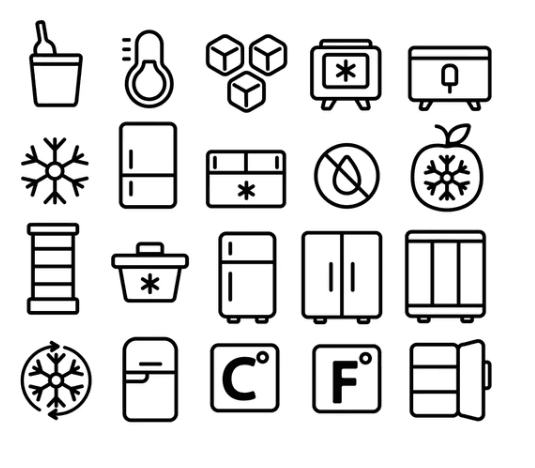
Commercial Refrigerator Icons play a crucial role in daily operations, serving as vital communication tools that visually indicate equipment status and provide guidance for proper usage. These icons help ensure food safety and promote efficient operation of the refrigerator systems. In this article, we analyze common commercial refrigerator icons and their meanings to help you better […]
We use cookies to enhance your browsing experience, serve personalised ads or content, and analyse our traffic. By clicking "Accept All", you consent to our use of cookies.