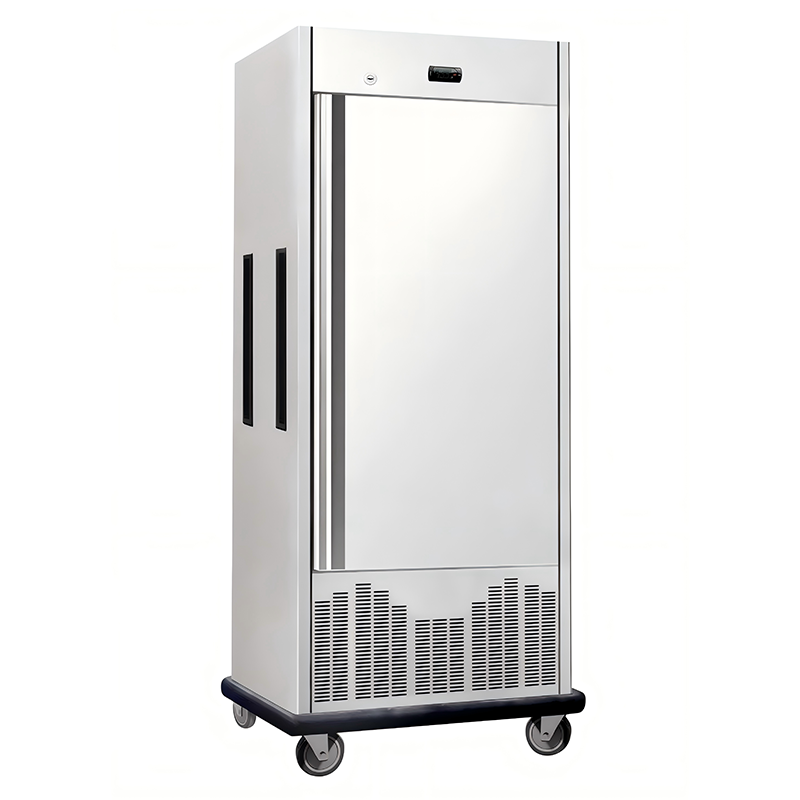
As an essential appliance in modern life, the refrigerator has become deeply integrated into our daily routines. Its primary function is to extend the shelf life of food by lowering its temperature, thereby slowing down the spoilage process.
Additionally, refrigerators help keep food fresh, allowing us to enjoy delicious meals anytime and bringing tremendous convenience to our lives. However, do you know how to adjust the temperature on your refrigerator?
Many people probably just leave their refrigerator at the factory-set temperature without ever adjusting it. In fact, properly adjusting the temperature can help preserve food while saving energy and preventing ice buildup. Let’s take a look at how to do it!
Adjust the refrigerator temperature setting
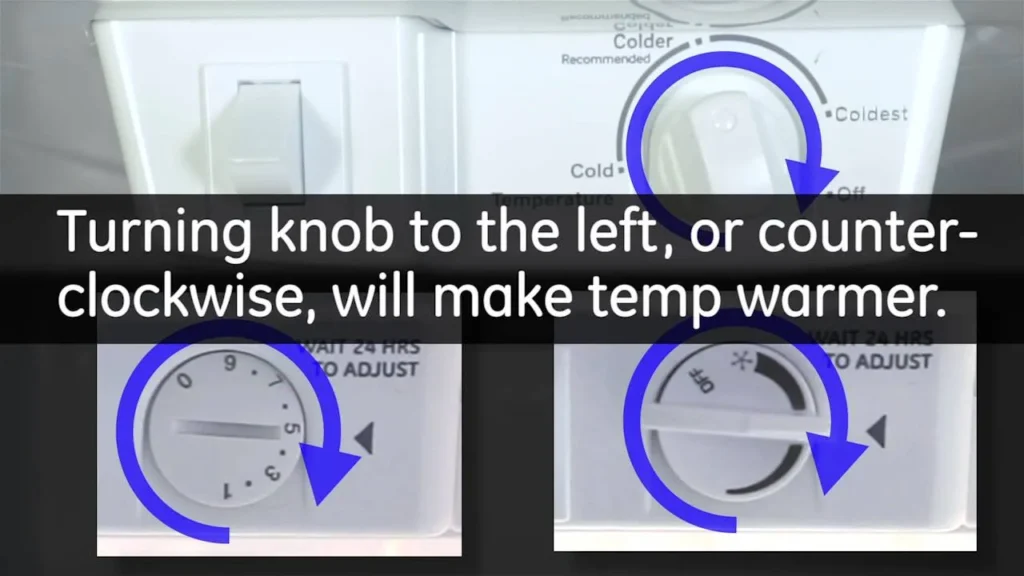
First, locate the refrigerator temperature control knobs. Typically, these knobs are found inside the refrigerator and consist of two separate controls: one for the refrigerator compartment and another for the freezer compartment.
These knobs feature adjustable settings. The refrigerator shown below has low, medium, and high settings, while others may display settings from 1 to 7. Although the numerical display varies, the adjustment mechanism remains the same. By simply adjusting these settings, you can control the temperature inside the refrigerator.
How to Adjust the Refrigerator Temperature Settings?
The higher you set the refrigerator’s temperature control dial, the colder the interior becomes. While lower temperatures do improve food preservation, excessively cold settings force the refrigerator to run continuously to maintain that low temperature. This not only consumes more electricity but may also cause ice buildup in the freezer compartment.
Conversely, lowering the temperature setting—effectively raising the interior temperature—can save electricity. However, a warmer environment compromises food preservation and is detrimental to proper food storage.
Adjust the refrigerator temperature according to the season
The temperature inside the refrigerator needs to be adjusted according to changes in the outside temperature.
For instance, during this season when temperatures are moderate, typically around 20°C (68°F), setting the refrigerator to a medium level—around 4 or 5—reduces the temperature difference between inside and outside. This preserves food freshness while saving energy. Since autumn and spring have similar temperatures, setting the refrigerator to 4–5 is ideal for these seasons.
However, during summer when outdoor temperatures soar into the 30s, we should raise the refrigerator’s temperature setting to minimize the temperature difference. Adjusting it to settings 2 or 3 is ideal.
Conversely, in winter when outdoor temperatures drop to a few degrees or even below freezing, we need to lower the refrigerator’s temperature setting. Otherwise, if the refrigerator’s internal temperature exceeds the external temperature, it will fail to preserve food effectively.
Therefore, during winter, we should set the refrigerator to its highest setting, typically around 5 to 6. Some refrigerators include an internal reference chart with recommended settings; simply follow these guidelines. It’s crucial not to set it incorrectly. Incorrect settings can lead to excessive ice buildup, increased energy consumption, and a shorter refrigerator lifespan.
Tips for Saving Energy with Your Refrigerator
Avoid frequent opening and closing of the refrigerator door: Each time the door is opened, cold air escapes from the interior, forcing the refrigerator to consume more electricity to maintain its temperature. Therefore, minimize both the frequency and duration of door openings, avoiding prolonged door openings or frequent switching. When retrieving food, take all necessary items at once to prevent multiple door openings.
Clean your refrigerator regularly: Over time, food drippings and vegetable scraps inevitably accumulate inside. Regular cleaning is essential to prevent unsightly buildup and reduce energy consumption.
Avoid placing hot food directly into the refrigerator: When storing leftovers or hot dishes, allow them to cool to room temperature first. This reduces the workload on your refrigerator and lowers energy usage.
Frequently Asked Questions About Refrigerator Temperature
what temperature should a refrigerator be?
The ideal temperature for a refrigerator is between 37°F (3°C) and 40°F (4°C). This range keeps food fresh and safe while preventing spoilage.
How do I adjust the temperature of my refrigerator?
To adjust the refrigerator’s temperature, locate the control dials inside the fridge. Adjust them higher for colder temperatures and lower for warmer settings, ensuring food preservation without overcooling.
How can I save energy with my refrigerator’s temperature settings?
To save energy, avoid setting the refrigerator temperature too low. Aim for moderate settings (4-5 during mild seasons) and reduce door openings. Regularly clean your fridge to maintain efficiency.
Can the outside temperature affect my refrigerator’s internal temperature?
Yes, seasonal changes can impact your refrigerator’s performance. In warmer weather, set the temperature to a lower setting to prevent overworking, while in cold weather, set it to a higher setting to ensure food stays fresh.
Why does my refrigerator freeze food even though it’s not set too low?
If food is freezing in your fridge, it may indicate an issue with the thermostat, uneven airflow, or that the temperature is set too low for the environment. Check the settings or contact a professional if the problem persists.
In today’s fast-paced world, commercial freezers have become an indispensable asset across various industries. Their robust cooling capabilities, large storage capacities, and reliability ensure that businesses can keep products fresh, safe, and ready for customers. But where exactly are these powerful appliances used? Let’s take a closer look at the diverse applications of commercial freezers […]
Knowing the basics of a Glass Door Bar Fridge before you buy it is essential. Most retailers, wholesalers, and importers leave out key details, and many listings ignore information that truly matters. Demand for display-style refrigeration has grown sharply in the past five years. This growth comes from home renovations and the rise of outdoor […]
Choosing the right commercial refrigerator is a critical decision for any foodservice or retail business, impacting food safety, operational efficiency, and energy costs. This comprehensive guide covers essential considerations, types of commercial refrigerators, and tips to help you make an informed purchase. Key Factors to Consider When Buying a Commercial Refrigerator 1. Assess Your Business […]
We use cookies to enhance your browsing experience, serve personalised ads or content, and analyse our traffic. By clicking "Accept All", you consent to our use of cookies.