In busy commercial kitchens, time, safety, and food quality all matter. Commercial Blast Chillers play a critical role by rapidly cooling hot food, helping operators stay compliant, efficient, and in control as production scales.
What Is a Commercial Blast Chiller?
A commercial blast chiller is a professional cooling appliance used in foodservice settings. Its main purpose is to cool freshly cooked food quickly, reducing temperatures from over 135°F to under 41°F in a short period. By shortening the time food remains in the danger zone, it supports food safety compliance and helps maintain the food’s taste, texture, and overall quality.
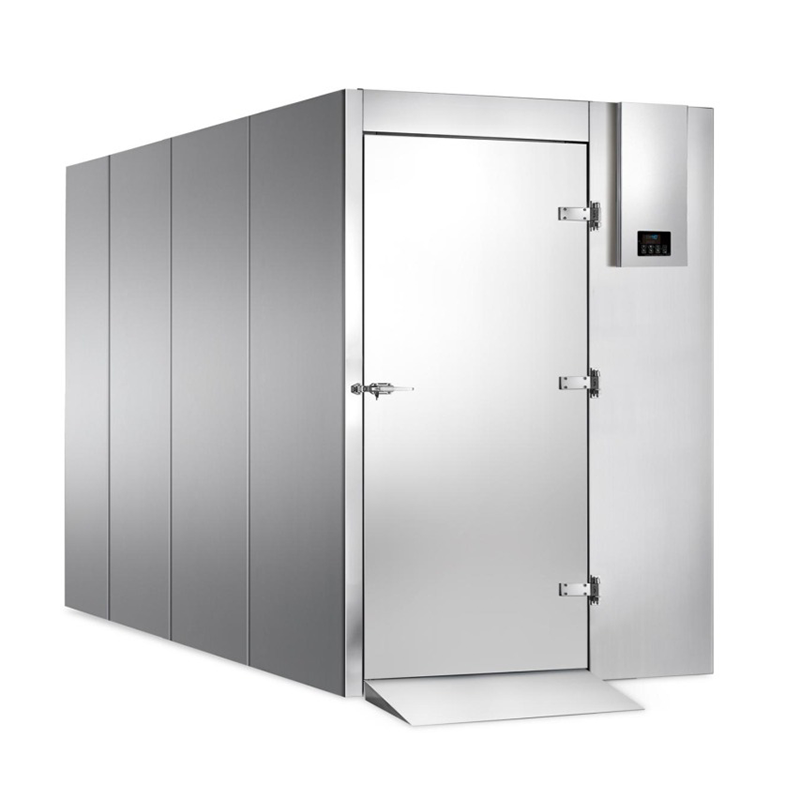
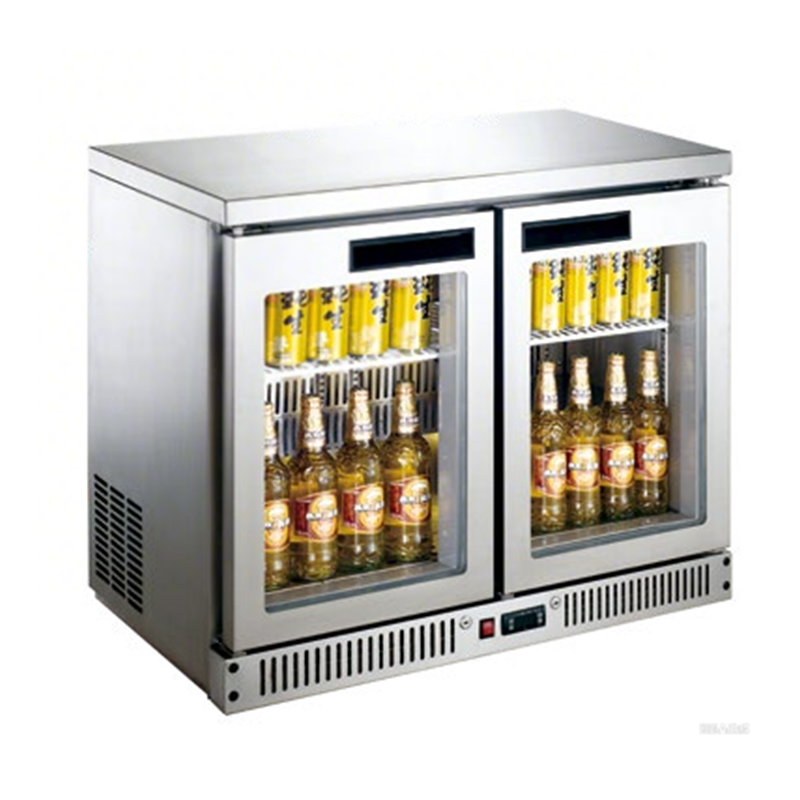
This stainless steel triple trolley roll – in blast freezer rapidly freezes large quantities of food, ideal for restaurants, central kitchens, and food processing plants.
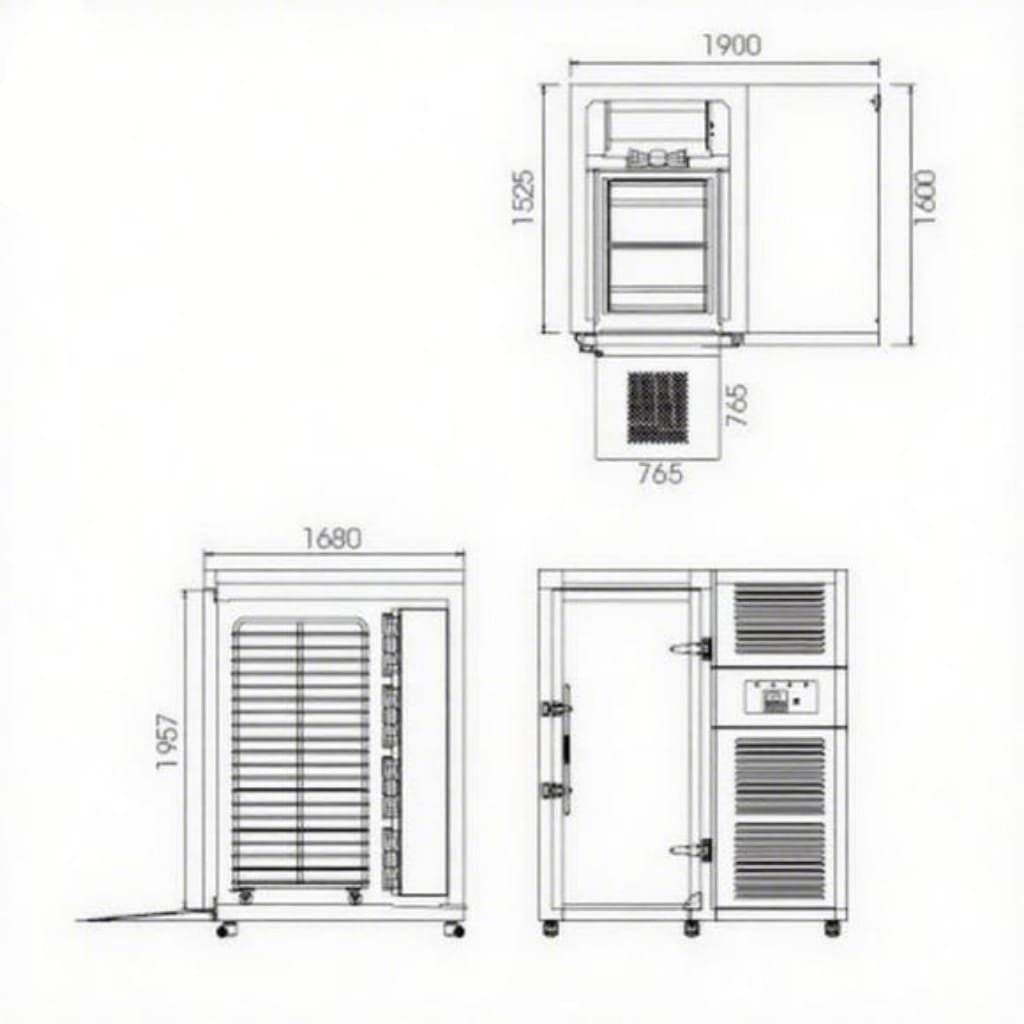
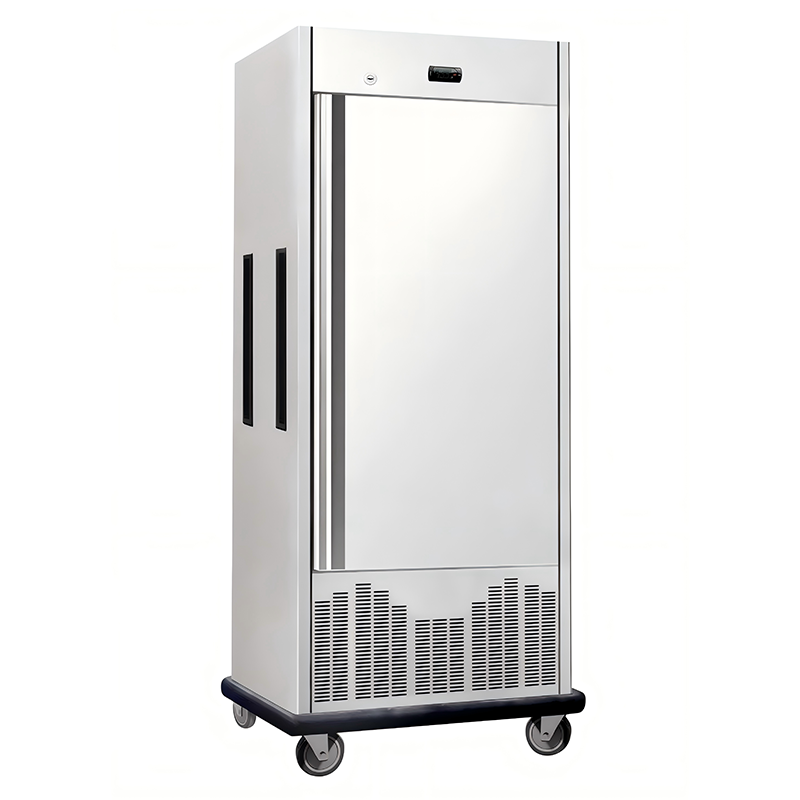
Engineering drawing of a single – door trolley roll – in blast freezer, with multi – view dimensions — essential for manufacturing, installation, and food freezing planning.
What Is a Blast Chiller Used For?
A blast chiller is mainly used to cool hot food rapidly to safe holding temperatures. This fast cooling limits the growth of harmful bacteria that thrive between 41°F and 135°F, lowering the risk of foodborne illness. Because of this, blast chillers are widely used in restaurants, hotels, cafeterias, and cruise ships, where large volumes of food are prepared and served.
By reducing food temperatures quickly, blast chillers help extend storage life and cut down on food waste. They also improve kitchen efficiency by allowing multiple trays to be cooled at the same time. This makes it easier to partially cook food, chill it, and store it ahead of service, all while maintaining consistent quality.
How Does a Blast Chiller Work?
Blast chillers work by forcing very cold air across hot food using high-powered fans. The cold air comes from a condenser and rapidly removes heat, bringing food temperatures down to below 41°F much faster than conventional refrigeration. This speed keeps food out of the danger zone where bacteria grow.
Because the cooling happens so quickly, blast chillers create very small ice crystals rather than large ones. Smaller crystals help protect the food’s structure, taste, and appearance. As a result, food maintains its quality when it is later thawed or reheated, tasting and looking close to freshly prepared.
4 Ways Commercial Blast Chillers Will Save You Money and Increase Productivity
Foodservice operations run on narrow profit margins and tight schedules. To stay competitive, kitchens must work faster without losing control of costs or food quality. The right equipment plays a major role in making that possible.
Commercial blast chillers and blast freezers are designed to support efficient production while protecting food quality. When used correctly, they deliver clear operational benefits and a strong return on investment. Below are four key ways they help businesses save money and work more efficiently.
1. Time savings
Blast chillers are built to cool hot food quickly and safely. In many cases, they can reduce food temperatures from around 158°F (70°C) to 37.4°F (3°C) or lower in about 90 minutes. Blast freezers work just as fast, bringing food down to -0.4°F (-18°C) in a short time. This speed allows kitchens to move faster through prep and production.
By shortening cooling cycles, staff can complete more tasks during a shift. Over a full working day, these time savings can add up to several hours, increasing overall productivity and reducing pressure during busy periods.
2. Energy savings
Standard refrigerators are designed to hold food at a stable cold temperature, not to cool hot food efficiently. Blast chillers and freezers, on the other hand, are made to handle hot food straight from cooking equipment and bring it down to safe temperatures quickly. This targeted performance improves energy use across the kitchen.
Modern blast chillers are designed with energy efficiency in mind. While the upfront cost may be higher, improved efficiency can lower long-term energy expenses and support sustainability goals. Over time, reduced power consumption helps offset the initial investment.
3. Lower food costs
Rapid cooling helps preserve the taste, texture, and nutritional value of food. This allows businesses to meet food safety requirements while reducing spoilage. With better control over storage, kitchens can plan production more accurately and avoid overbuying ingredients.
Blast chilling also gives chefs more freedom to work with seasonal products. Food can be prepared, chilled, or frozen in advance and used as needed, helping reduce waste and control purchasing costs. In many operations, this approach can cut food waste by a significant margin while maintaining consistent quality.
4. Reduced waste
Blast chillers and blast freezers extend the shelf life of prepared food by slowing bacterial growth and maintaining proper storage conditions. This makes it safer to cook in larger batches, store food correctly, and use it later without sacrificing quality.
By supporting bulk purchasing and safe storage, blast chilling helps businesses minimize product loss. The result is less discarded food, better compliance with hygiene standards, and more efficient use of ingredients across daily operations.
Blast Chiller vs. Freezer
Feature
Blast Chiller
Freezer
Primary Function
Rapidly cools hot food to below 41°F
Maintains frozen food for long-term storage
Cooling Speed
Very fast, usually within minutes
Slow, often takes several hours
Best For
Chilling freshly cooked food before storage
Storing large quantities of already frozen food
Blast Chiller vs. Flash Freezer
Feature
Blast Chiller
Flash Freezer
Target Temperature
Quickly cools food to 41°F or lower
Rapidly freezes food to 32°F or lower
Primary Use
Lowers hot food to safe holding temperatures
Freezes food solid for extended storage
Flexibility
Many units can both chill and freeze
Mainly designed for freezing only
Common Applications
Batch cooking and cooling before storage
Frozen food production and long-term preservation
Blast Chiller vs. Refrigerator
Feature
Blast Chiller
Refrigerator
Cooling Speed
Very fast, usually within minutes
Slow and gradual, often taking hours
Food Safety
Quickly moves food out of the danger zone
Hot food may stay in the danger zone longer
Best For
Rapidly cooling freshly cooked food and supporting bulk prep
Storing food that has already been cooled
Typical Users
Restaurants, hotels, cafeterias, and cruise ships
All types of kitchens
Purchasing Considerations
Blast chillers cool and freeze products much faster than standard freezers. Items like frosted mugs can be ready in about 10 minutes, while gelatin may set in roughly 20 minutes. This speed is the key difference when comparing blast chillers to conventional cold storage equipment.
Because blast chillers are a major investment, they are usually found in larger or higher-volume operations rather than small, independent restaurants. These units come in a wide range of sizes, similar to freezers, but they stand apart due to the much lower temperatures and shorter cooling times they achieve. They also rely on specialized condensers and high-powered fans to reach those results.
Blast chillers can be used to rapidly freeze many types of food, including soups, sauces, and meat products, making them suitable for extended storage. Reliability is an important factor when choosing a unit, and operators should look for well-established brands. Available models may use standard compressors or nitrogen-based systems, depending on performance needs.
In all cases, the compressor and airflow system must reduce hot food to a frozen state within minutes to keep it out of the food safety danger zone. Faster freezing leads to better texture and overall food quality. Some blast chillers can also be connected to other kitchen equipment and include controlled access features, such as swipe cards, which help track usage and reduce the risk of loss.
Cleaning & Maintenance
Proper cleaning is the foundation of blast chiller maintenance. The interior should be washed regularly with warm, soapy water to prevent buildup and ensure efficient cooling.
Correct pan placement also matters. Placing large sheet pans with smaller pans stacked on top can block airflow and slow heat removal. Clear air circulation is necessary for the unit to pull heat out of food effectively.
Temperature probes must be kept in good condition, as they are essential for accurate cooling. Probes can be damaged if caught in the door, so they should be handled carefully and checked often.
Condensers should be cleaned weekly or monthly by removing the front panel. Debris such as plastic wrap can enter the condenser area and restrict airflow, reducing performance. Keeping this area clean and making sure probe wires are intact helps prevent breakdowns.
If food temperatures do not drop quickly enough, service may be required. Other warning signs include inaccurate probe readings, insufficient cooling, or the condenser continuing to run when the unit is switched off. Probes are especially prone to damage and are costly to replace.
Leaks in the evaporator or refrigeration system may indicate serious failure. Over time, copper components can thin or react with acids from foods like tomatoes, leading to corrosion and system leaks. Because evaporators are expensive, units between five and seven years old that develop leaks may be better replaced than repaired.
Blast chiller lifespan varies by usage and environment, but most last between five and ten years. One common misuse is running the unit nonstop like a refrigerator. Blast chillers are designed for short, controlled cycles, not continuous operation.
Modern blast chillers often include advanced, computerized controls. Operators should learn these systems before use, ideally with help from a manufacturer representative during setup. Proper training ensures correct operation and avoids costly mistakes.
Installation location is also important. Blast chillers should be placed away from cooking equipment. Units positioned near fryers risk grease buildup on evaporator coils, which can interfere with airflow and reduce overall performance.
FAQ
What are Commercial Blast Chillers used for?
Commercial Blast Chillers are used to rapidly cool hot, freshly cooked food to safe temperatures, reducing bacteria growth and protecting food quality.
How are Commercial Blast Chillers different from freezers?
Unlike freezers, Commercial Blast Chillers are designed to cool hot food quickly. Freezers are meant for long-term storage of already frozen products.
Do Commercial Blast Chillers improve food safety?
Yes. They move food out of the temperature danger zone much faster than standard refrigeration, helping kitchens meet food safety regulations.
Can Commercial Blast Chillers help reduce food waste?
Yes. By extending shelf life and preserving texture and flavor, blast chillers allow better portion control and safer bulk preparation.
Who should use Commercial Blast Chillers?
They are ideal for restaurants, hotels, cafeterias, catering operations, and any kitchen handling high-volume food production.
For businesses, when a freezer ices up, it can disrupt operations and impact equipment lifespan. Addressing the root causes of freezer ice is essential for keeping your freezer running smoothly and ensuring that stored goods remain in optimal condition. This guide explains why commercial freezer Ices up, explores the technical process behind frost formation, and offers practical tips to […]
Is your Commercial Freezer Not Cold Enough even though it’s running all day and pushing up your energy bill? That’s a frustrating situation — and a risky one. Food safety, compliance, operating costs, and customer trust all depend on reliable cold storage. When temperatures start creeping up, you need answers fast. In this article, we’ll […]
Is your walk-in freezer quietly doing its job — or is it slowly costing you money, food quality, and customer trust? Commercial freezer maintenance is one of those topics nobody gets excited about, yet it directly affects uptime, operating costs, compliance, and safety. If you manage food service, pharmaceuticals, logistics, or any cold-chain operation, getting […]
We use cookies to enhance your browsing experience, serve personalised ads or content, and analyse our traffic. By clicking "Accept All", you consent to our use of cookies.