Is your Commercial Freezer Not Cold Enough even though it’s running all day and pushing up your energy bill? That’s a frustrating situation — and a risky one. Food safety, compliance, operating costs, and customer trust all depend on reliable cold storage. When temperatures start creeping up, you need answers fast.
In this article, we’ll walk through the most common reasons a Commercial Freezer Not Cold Enough problem occurs, how to diagnose it, and what you can do about it — without unnecessary downtime or guesswork.
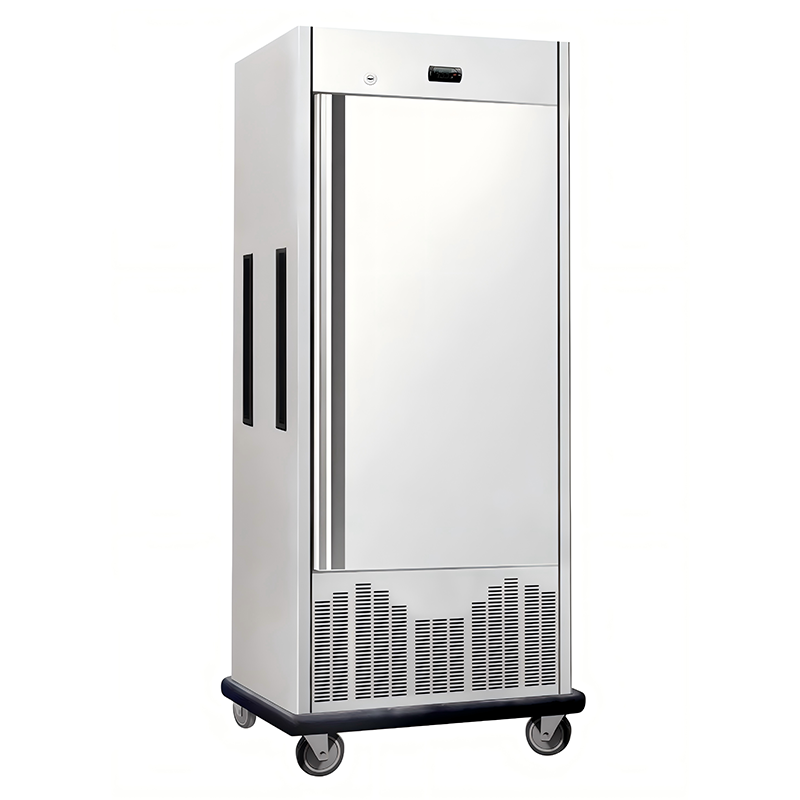
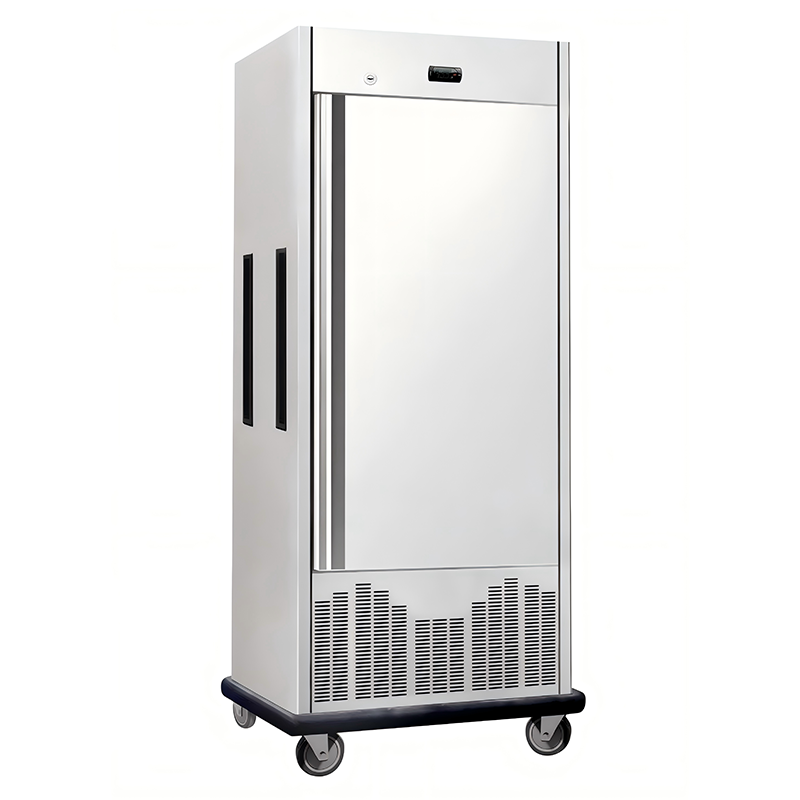
This stainless steel banquet cold – serve trolley is ideal for hotels and banquets. It preserves cold food temperature and quality via professional cooling technology, with wheels for easy mobility.
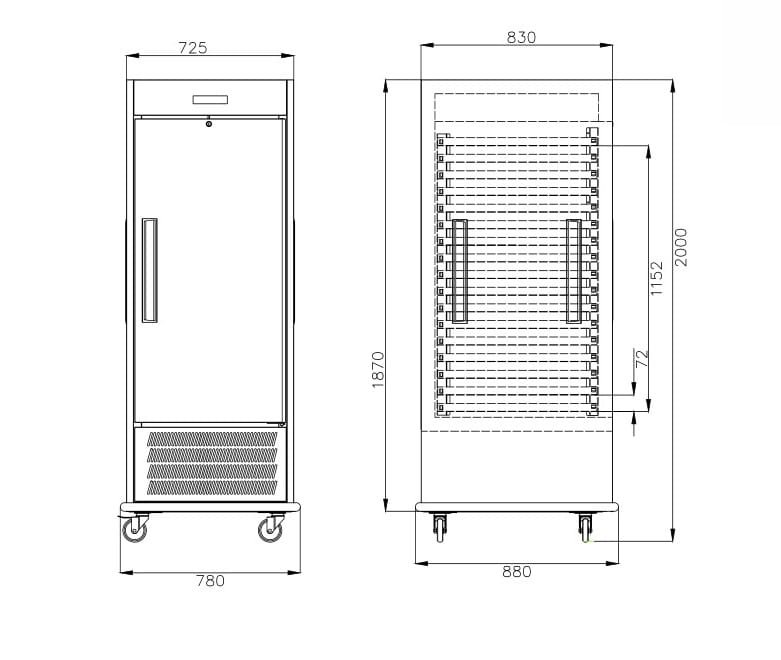
Engineering drawing of a banquet active – preservation trolley, with front/side views and detailed dimensions — essential for manufacturing, installation, and banquet food preservation planning.
Understanding What “Not Cold Enough” Really Means
Before jumping into repairs, it helps to define the problem precisely. A freezer that’s “not cold enough” might still be cold — just not cold enough for safe storage.
Target Temperatures for Commercial Freezers
Freezer Type
Typical Use
Target Temp
Reach-in freezer
Kitchens, bars
-18°C / 0°F
Walk-in freezer
Food storage
-20°C / -4°F
Display freezer
Retail
-18°C to -22°C
Blast freezer
Rapid chilling
-30°C or lower
If your readings are above these ranges, then yes — your Commercial Freezer Not Cold Enough issue is real, not just perceived.
Common Reasons Your Commercial Freezer Is Not Cold Enough
1. Dirty or Blocked Condenser Coils
Dust, grease, and debris act like insulation. They prevent heat from escaping efficiently.
Symptom
Likely Cause
Fix
Freezer runs constantly
Coils clogged
Clean coils
Warm compressor
Overheating
Improve airflow
This is one of the most frequent causes of a Commercial Freezer Not Cold Enough situation — and one of the easiest to fix.
2. Door Seal or Gasket Failure
If warm air keeps leaking inside, the freezer will never reach its target temperature.
Even a small leak can cause a Commercial Freezer Not Cold Enough condition over time.
3. Incorrect Thermostat or Control Settings
Sometimes the system is fine — the settings are not.
Setting
Recommended
Freezer thermostat
-18°C to -22°C
Defrost cycle
2–4 times/day
A misconfigured controller can easily trigger a Commercial Freezer Not Cold Enough problem without any mechanical fault.
4. Faulty Evaporator Fan
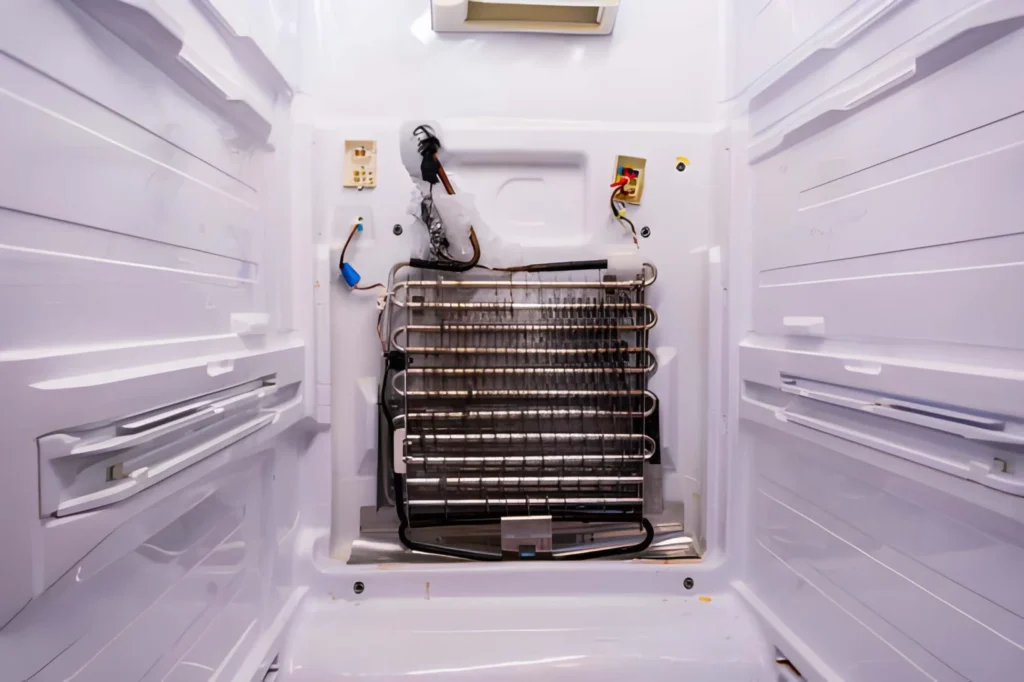
The evaporator fan circulates cold air throughout the cabinet.
If it fails:
The bottom gets cold, the top stays warm
Food near the fan freezes, while other areas do not
This uneven cooling is a classic sign of a Commercial Freezer Not Cold Enough issue.
5. Refrigerant Leaks or Low Charge
Low refrigerant levels reduce cooling capacity.
Indicator
Meaning
Hissing noise
Possible leak
Ice only on part of coil
Low charge
Long runtimes
Reduced efficiency
This is not a DIY fix — but it is a frequent cause of a Commercial Freezer Not Cold Enough scenario in older systems.
How Power Supply Issues Can Affect Freezer Performance
Unstable or insufficient power often goes unnoticed.
Voltage Fluctuations and Phase Imbalance
Commercial freezers rely on stable voltage. If power drops, the compressor cannot work at full capacity.
This is why facilities with poor power quality often experience a Commercial Freezer Not Cold Enough problem even with new equipment.
Smart Monitoring and Energy Meters: A Hidden Advantage
Modern facilities increasingly use smart energy meters and power monitoring systems to prevent freezer problems.
Benefits of Smart Power Monitoring
Feature
Benefit
Real-time voltage tracking
Detects undervoltage
Load monitoring
Prevents overload
Energy consumption trends
Identifies inefficiency
By monitoring electrical performance, you can detect conditions that lead to a Commercial Freezer Not Cold Enough event before product is lost.
If you’re evaluating smart monitoring or freezer upgrades, it’s worth speaking with a specialist who can review your load profile and cooling requirements before you invest.
Environmental and Operational Factors
Ambient Temperature
High kitchen or warehouse temperatures increase heat load.
Overstocking
Blocking airflow inside the freezer prevents cold air circulation.
Practice
Impact
Overloading shelves
Warm spots
Blocking vents
Uneven cooling
Hot food storage
Thermal overload
All of these increase the likelihood of a Commercial Freezer Not Cold Enough issue.
When to Repair vs. Replace
Condition
Recommendation
Unit < 7 years old
Repair
Repeated refrigerant leaks
Replace
Outdated refrigerants
Replace
Rising energy cost
Consider upgrade
At some point, recurring Commercial Freezer Not Cold Enough problems signal that replacement is more economical than repair.
Subtle Signs That Trouble Is Coming
Watch for:
Slight temperature drift
Increased energy consumption
Ice buildup in unusual areas
Compressor cycling too often
Catching these early can prevent a full Commercial Freezer Not Cold Enough failure.
Conclusion
A Commercial Freezer Not Cold Enough problem is never just inconvenient — it’s a direct threat to food safety, compliance, and profitability. The causes range from simple maintenance issues like dirty coils and worn gaskets to deeper problems like power instability, refrigerant loss, or aging equipment.
The good news is that most of these issues are preventable when you understand how your system works and monitor both mechanical and electrical performance. By combining routine maintenance with smart monitoring and informed decision-making, you reduce downtime, protect inventory, and keep your operation running smoothly.
If your Commercial Freezer Not Cold Enough keeps coming up — even after repairs — that’s a signal to reassess not just the freezer, but the entire environment around it. A little proactive attention now can save a lot of spoiled product later.
FAQ
How does an electric power meter help prevent freezer failure?
An electric power meter tracks voltage, current, and load. This helps identify undervoltage or overload conditions that reduce cooling efficiency.
Can power quality really make a freezer not cold enough?
Yes. Low voltage prevents the compressor from reaching full output, directly causing insufficient cooling.
Should commercial kitchens install smart power meters?
Yes. Smart meters provide early warnings of electrical problems before they damage refrigeration systems or cause product loss.
Do energy meters reduce operating costs?
They help identify inefficiencies, unnecessary loads, and peak usage patterns, allowing you to optimize energy consumption.
Are smart meters hard to integrate with existing systems?
Most modern meters are modular and can be installed without major electrical upgrades.
For businesses, when a freezer ices up, it can disrupt operations and impact equipment lifespan. Addressing the root causes of freezer ice is essential for keeping your freezer running smoothly and ensuring that stored goods remain in optimal condition. This guide explains why commercial freezer Ices up, explores the technical process behind frost formation, and offers practical tips to […]
In busy commercial kitchens, time, safety, and food quality all matter. Commercial Blast Chillers play a critical role by rapidly cooling hot food, helping operators stay compliant, efficient, and in control as production scales. What Is a Commercial Blast Chiller? A commercial blast chiller is a professional cooling appliance used in foodservice settings. Its main […]
Is your walk-in freezer quietly doing its job — or is it slowly costing you money, food quality, and customer trust? Commercial freezer maintenance is one of those topics nobody gets excited about, yet it directly affects uptime, operating costs, compliance, and safety. If you manage food service, pharmaceuticals, logistics, or any cold-chain operation, getting […]
We use cookies to enhance your browsing experience, serve personalised ads or content, and analyse our traffic. By clicking "Accept All", you consent to our use of cookies.