How your fridge is arranged can shape what you eat. A tidy layout makes healthy choices easy. A messy one leads to spoiled food, bad smells, and that familiar thought: “There’s nothing good in here.” When expired sauces, old leftovers, and mystery jars block your way, even simple cooking feels hard. A better system can fix that.
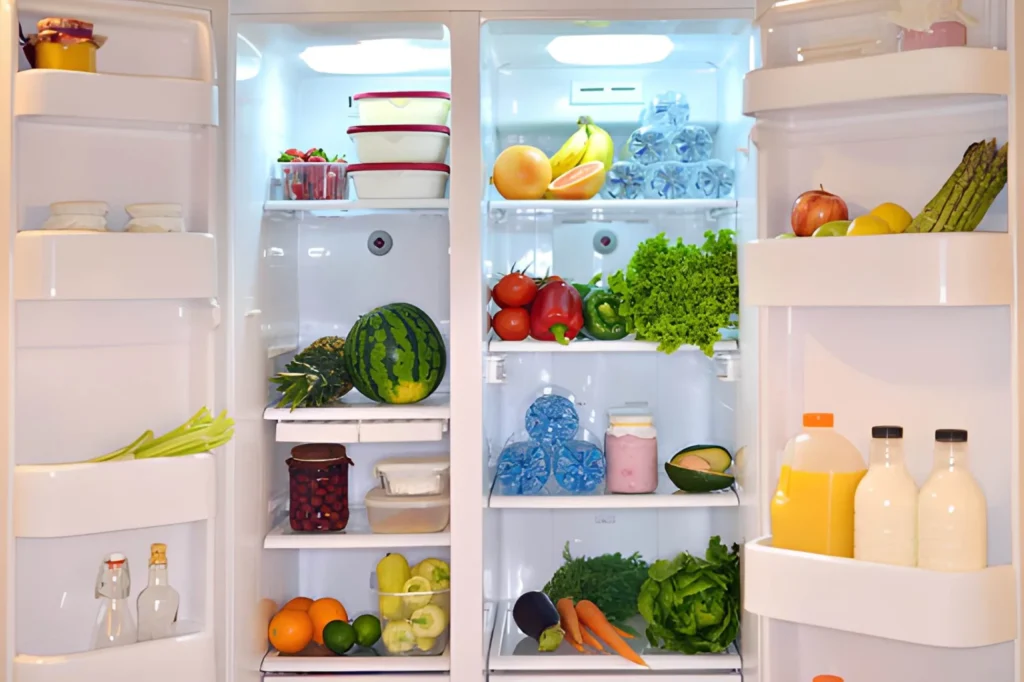
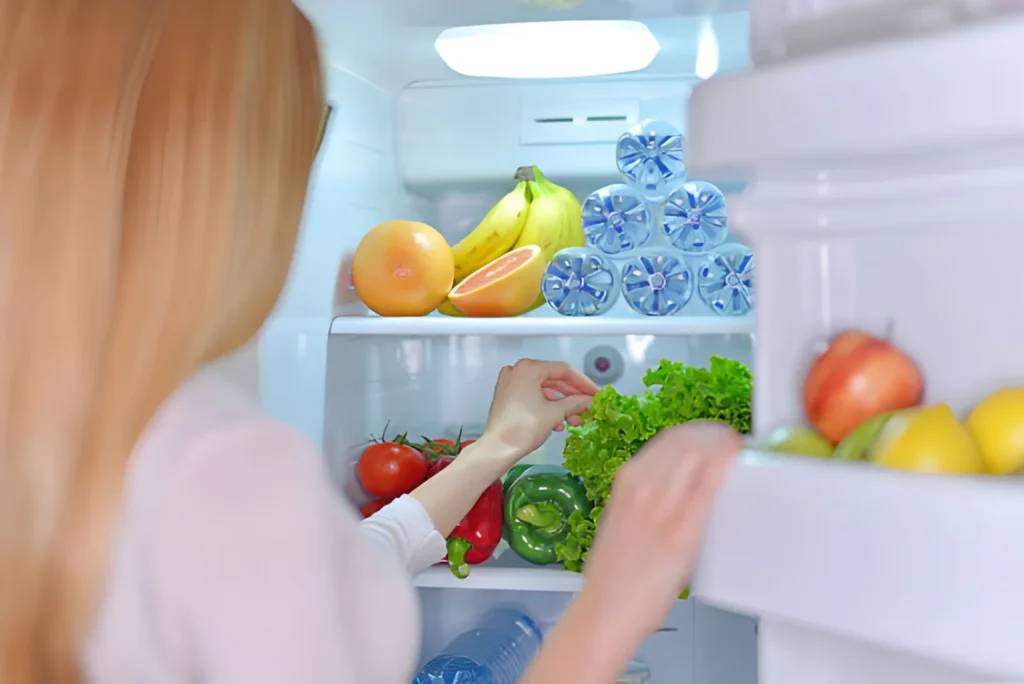
Think of your refrigerator as a small grocery store. Clear zones are the foundation of good fridge organization. When each item has a place, you can spot hummus in seconds, restock faster, and waste less food. Clear bins and smart storage tools keep shelves neat and visible. As a bonus, you may spend less. You won’t keep buying duplicates you already have.
These fridge tips follow the same logic as organizing a pantry. Put similar foods together. Use drawer dividers. Choose reliable storage containers. And don’t overlook a lazy Susan—it can be a game changer. Still, the goal isn’t a picture-perfect fridge. It’s avoiding a long hunt for ketchup when dinner is waiting.
With stackable containers, egg holders, and wine racks, opening your fridge doors can feel calm instead of chaotic. Regular cleaning helps too. Ahead, you’ll find 23 expert-backed ideas, practical bins, and simple tricks to bring lasting order to your fridge.
1. Clean Out the Fridge for Better Fridge Organization
The first step to a well-organized fridge is clearing it out completely. Ashley Murphy, cofounder of Neat Method, suggests laying an old sheet or protective paper on the counter first. This helps protect surfaces from spills, oils, or acidic residue. As you remove items, check expiration dates and sort what stays into clear groups, much like items are arranged in a grocery store. She outlines this approach in The Neat Method Organizing Recipe Book.
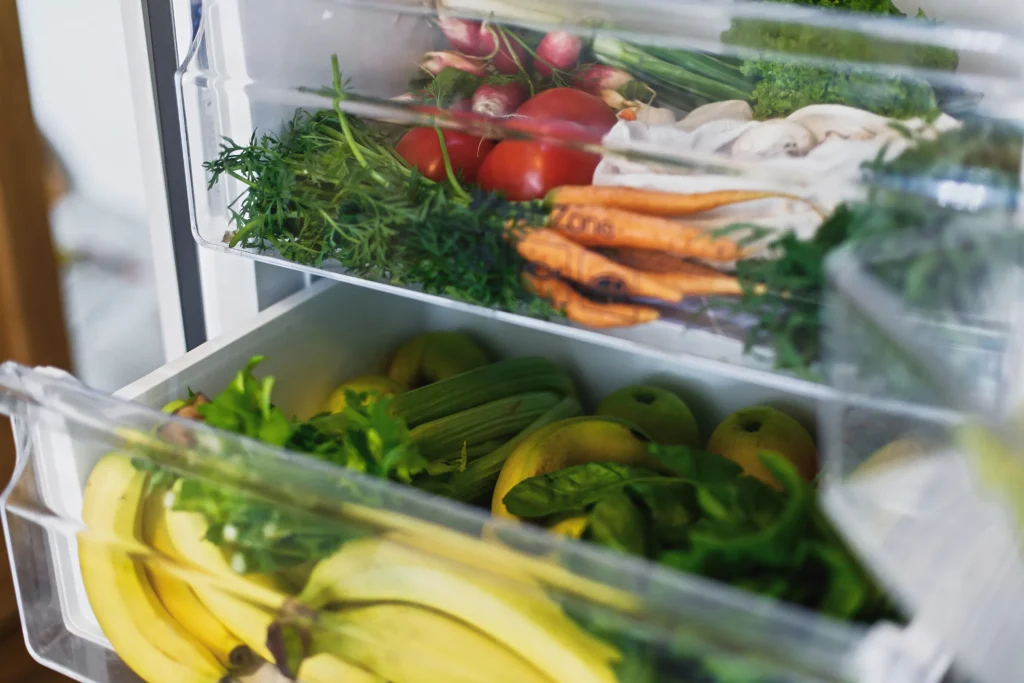
Next, take out the drawers and crisper bins. Clean them with a mild spray that avoids harsh chemicals, since these surfaces touch food. Gentle cleaners work best for removing stuck-on sauce and old spills without leaving strong smells behind. Contributor Yelena Moroz Alpert notes that plant-based cleaners leave the fridge smelling fresh instead of like bleach or chemicals. A few sprays are usually enough to lift dried milk, sauce marks, and residue from glass shelves, metal panels, and plastic drawers without streaks.
Once everything is wiped down with paper towels, the fridge is clean, fresh, and ready for the next step in organizing.1. Clean Out the Fridge
The first step to a well-organized fridge is clearing it out completely. Ashley Murphy, cofounder of Neat Method, suggests laying an old sheet or protective paper on the counter first. This helps protect surfaces from spills, oils, or acidic residue. As you remove items, check expiration dates and sort what stays into clear groups, much like items are arranged in a grocery store. She outlines this approach in The Neat Method Organizing Recipe Book.
Next, take out the drawers and crisper bins. Clean them with a mild spray that avoids harsh chemicals, since these surfaces touch food. Gentle cleaners work best for removing stuck-on sauce and old spills without leaving strong smells behind. Contributor Yelena Moroz Alpert notes that plant-based cleaners leave the fridge smelling fresh instead of like bleach or chemicals. A few sprays are usually enough to lift dried milk, sauce marks, and residue from glass shelves, metal panels, and plastic drawers without streaks.
Once everything is wiped down with paper towels, the fridge is clean, fresh, and ready for the next step in organizing.
2. Categorize Food for Smarter Fridge Organization
With the drawers and shelves cleared, you can start fresh when putting groceries back. Jessica Litman, founder and CEO of The Organized Mama, suggests sorting food into clear groups such as fruits, vegetables, and condiments. This makes it easier to see which items you use most and how much space each group really needs.
Labels can be helpful at this stage. They add clarity and keep everything in its place. Just like any other area of your home, your fridge should have a natural flow. When items are grouped with purpose, the space works better and daily use feels more efficient.
3. Introduce Drawers and Containers
As you sort food into categories, pay attention to shelf height. Adjust shelves up or down so they match what you actually store. Julie Dykema, director of In-Home Organizing at The Container Store, notes that most people buy the same brands again and again. Setting shelves and drawers to fit those packages can save time later.
If you’re unsure how to begin, a multi-piece container set can simplify the process. These sets cover several needs at once and reduce guesswork. Contributor Yelena Moroz Alpert shares that using one complete set eliminated the need to constantly rethink her layout. She also points out that containers with built-in handles work like pull-out drawers, making items easier to reach and keep in order.
4. Double Down on Drawer Dividers
If your fridge already includes drawers, adding dividers can make a big difference. Ashley Murphy advises using adjustable drawer dividers to keep items in order. These dividers create clear sections inside each drawer, so foods stay in place. As a result, nothing shifts around or ends up mixed together when you open and close the fridge.
5. Line Drawers and Shelves
Adding liners to drawers and shelves can simplify cleaning. Julie Dykema points out that thick, water-resistant liners work especially well in crisper drawers. They catch spills and moisture before they spread. The same idea applies to shelves. Liners aren’t required, but they help prevent drips from turning into sticky messes and make wipe-downs much quicker.
6. Maximize Shelf Space With Stackable Drawers for Fridge Organization
When shelf space is tight, stackable drawers are an easy way to add more room. Jessica Litman recommends clear acrylic or plastic options because they let you see what’s inside at a glance. You can slide them out smoothly and grab what you need without disturbing everything else.
These drawers stack neatly, hold many types of food, and are usually dishwasher safe. Some even come with built-in sections, which makes sorting items simpler. One helpful tip: measure your shelf width before buying. That way, the drawers fit well and you make full use of the available space.
7. Utilize a Soda Can Organizer
Keeping soda cans contained can instantly make a fridge look neater and drinks easier to grab. Lisa Zaslow, founder of Gotham Organizers, suggests using a soda can organizer to create a clean, uniform layout. For even better order, you can use two organizers and sort drinks by flavor.
Another option is a beverage mat, which offers more flexibility. Unlike can-only organizers, it can also hold bottles. Contributor Yelena Moroz Alpert notes that this is especially helpful when hosting, since it creates extra space for wine. The soft grooves keep bottles from rolling, and the neutral color blends naturally with the fridge interior, making it look built in rather than added.
8. Know the Fridge Temperature Zones for Proper Fridge Organization
Different areas of the fridge hold different temperatures. The door and top shelf are usually the warmest spots. It gets cooler as you move downward and toward the back. Keeping this in mind helps food stay fresh longer.
Place condiments in the door. Store dairy, eggs, and spreads on the upper shelves. The coldest area is the bottom shelf near the back, which is best for milk and raw meats. Fruits and vegetables belong in the crisper drawers. If you have many small sauce bottles, a tiered shelf rack can keep them visible and neatly arranged along the sides of the shelves.
9. Protect the Bottom Shelf
Raw meat and fish should always go on the lowest shelf for a reason. If the packaging leaks or breaks, juices can drip downward and contaminate other foods. This can affect produce and create a sticky, unsafe mess.
Keeping these items on the bottom limits the spread if a spill happens. Adding a shelf liner offers extra protection and makes cleanup much easier if leaks occur.
10. Invest in Herb Savers
Produce and herb savers can help fresh items last longer. Lisa Zaslow explains that these tools slow spoilage by reducing ethylene gas, allowing airflow, and controlling moisture through small vents. Together, these features create a better environment for delicate foods.
For tender herbs like cilantro, dill, and parsley, remove them from their plastic bags. Place them in a container that allows air to circulate. Avoid packing them too tightly. When herbs get crushed, they spoil faster and are more likely to develop bacteria. Keeping them loose and supported helps them stay fresh longer.
11. Prep the Produce
How you wash and store produce has a big impact on how long it lasts. Rinse berries and apples with a diluted vinegar solution to remove bacteria and slow mold growth. After washing, dry everything well with a clean kitchen towel.
Moisture is the enemy of fresh produce. Store washed items in containers that allow airflow, such as colander-style bins, so water droplets don’t collect at the bottom. This step is especially important for fragile foods like raspberries and leafy greens.
Also, keep fruits and vegetables separate. Many fruits release a natural gas that speeds up ripening and spoilage. Storing them apart helps both stay fresh longer.
12. Corral the Produce Leftovers
Loose produce scraps can quickly clutter your fridge. Half a lemon or a leftover tomato may save food from being wasted, but they often end up rolling around and getting forgotten. That creates mess and spoilage.
Instead of bulky containers, use small, airtight storage made for produce leftovers. Flexible silicone holders work well because they seal tightly and are easy to see. With everything contained and visible, leftover fruits and vegetables stay fresh—and won’t disappear into the back of a shelf.
13. Keep Condiments Together
When condiments are scattered, finding the right one can be frustrating. Jen Martin, founder of Reset Your Nest, suggests storing them together to avoid that problem. If your fridge door has side shelves, those are an ideal spot.
If door space is limited, a lazy Susan or a slim clear bin works just as well. Keeping all sauces in one place makes them easy to see, easy to grab, and simple to put back where they belong.
14. Keep Snacks Front and Center
Items you reach for often should be easy to see and grab. Julie Dykema notes that placing everyday snacks at the front of the fridge makes life easier for everyone at home. Visibility matters, especially for foods meant to be eaten quickly.
Prepped snacks help too. Fresh fruit or vegetables that are washed, cut, and stored in simple containers are more tempting when hunger hits. Using a slim organizer bin can also keep yogurt packs or small snacks grouped and within reach. When good options are easy to spot, they’re more likely to get eaten.
15. Pour Beverages into Glass Dispensers
Bulky cartons can make a fridge feel crowded. Transferring milk, juice, or other drinks into glass dispensers creates a cleaner, more consistent look. It also makes pouring easier and helps shelves feel more organized.
Lisa Zaslow recommends labeling each dispenser with the expiration date. This small step helps you keep track of freshness and prevents accidentally drinking something that’s past its prime.
16. Match Storage Containers
It’s time to retire old takeout containers. Stained, mismatched plastics make a fridge look messy and are often past their prime. Jen Martin suggests upgrading to a coordinated set of containers that are designed for food storage.
Glass options are a smart choice. They stack neatly, look clean on the shelf, and are safe for storing leftovers. Some newer designs even include built-in air vents, which help release trapped odors. That way, last night’s dinner won’t scent the entire fridge.
17. Zip it Up
In smaller fridges, bulky bins and turntables can take up too much room. A better option is reusable silicone bags. They’re ideal for storing perishables like leafy greens or leftover guacamole while using very little space.
These bags are also versatile. You can move them straight from the fridge to the freezer for items such as berries or sliced bread. They seal tightly, stack easily, and help keep food fresh without overcrowding shelves.
18. Put Eggs on Display
Eggs are used often, which means they’re handled a lot. To avoid cracked shells and messy accidents, an egg holder is a smart addition. Ashley Murphy suggests removing eggs from their original carton and placing them in a dedicated tray instead.
This creates a cleaner, more consistent look and makes it easier to see when you’re running low. While clear holders work well, a well-designed egg tray can also add a small touch of style every time you open the fridge.
19. Portion it Out
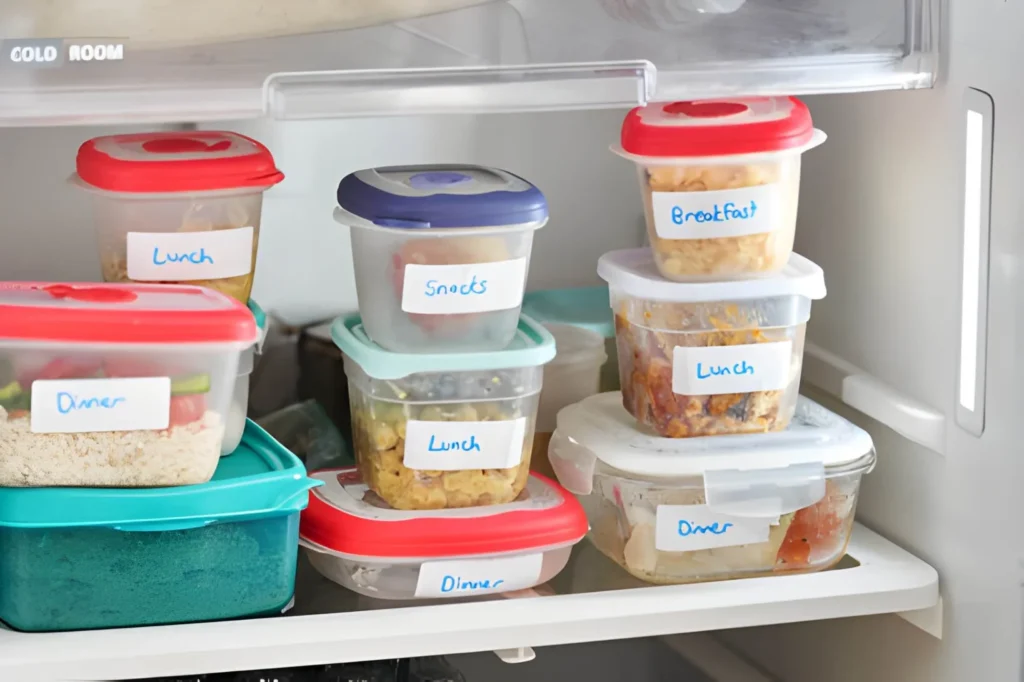
Store soups, sauces, and spreads in small, portioned containers instead of keeping nearly empty bottles. Compact containers take up less space and make it easier to see what you actually have.
This approach also works well for meal prep. By dividing ingredients into single servings, you can create ready-to-use meals and cut down on prep time later. It keeps the fridge tidy and makes planning ahead much simpler.
20. Take Advantage of Vertical Space
One simple way to add more storage is to use the space beneath your shelves. Hanging drawers that slide under existing shelves can almost double your usable area without crowding the fridge.
These drawers keep the main shelves free for larger items. They’re especially useful for deli meats, cheeses, or smaller foods that tend to shift around. Everything stays visible, contained, and easy to reach.
21. Label Everything for Long-Term Fridge Organization
Labels bring instant clarity to fridge storage. Organization expert Jessica Haizman suggests using dry-erase markers, removable labels, or washi tape on containers and bins. This makes it clear what each item is and where it belongs.
Adding expiration dates is just as important. Labels help ensure food gets used before it goes bad and reduce unnecessary waste. Once you see how effective this system is, you may find yourself labeling items in your cabinets as well.
22. Keep it Fresh
You don’t have to rely on a bulky box of baking soda to keep fridge odors away. Julie Dykema suggests a simple alternative: vanilla extract. Soak a cotton ball or folded paper towel with vanilla, place it in an open jar, and set it toward the back of the fridge. Once the scent fades and the material dries out, replace it with a fresh one.
If you prefer a no-effort option, store-bought fridge deodorizers work just as well. Both methods help maintain a clean, fresh smell without taking up much space.
23. Small Upgrades That Elevate Fridge Organization
Butter often disappears faster than expected, especially when it stays in a plain box. Using a dedicated butter dish helps protect it and keeps it fresher for longer. It also makes it easy to see when you’re running low.
Beyond function, a nice butter dish adds a bit of charm to the fridge. When it’s time to eat, you can bring it straight to the table, where it doubles as a simple decorative touch.
Commercial refrigerators are vital in industries like food service, ensuring food safety and freshness. Proper upkeep and lifespan management are key to business continuity.
Discover the key differences between commercial refrigerator and domestic refrigerators, including size, durability, energy efficiency, and temperature control.
Blast freezers have become essential tools in the food industry. As the name suggests, a blast freezer is more than a basic freezer; it rapidly chills products. This rapid cooling offers several benefits: Because of these advantages, blast freezing has boosted productivity in commercial operations, particularly in the frozen-food sector. For those shipping large volumes […]
We use cookies to enhance your browsing experience, serve personalised ads or content, and analyse our traffic. By clicking "Accept All", you consent to our use of cookies.